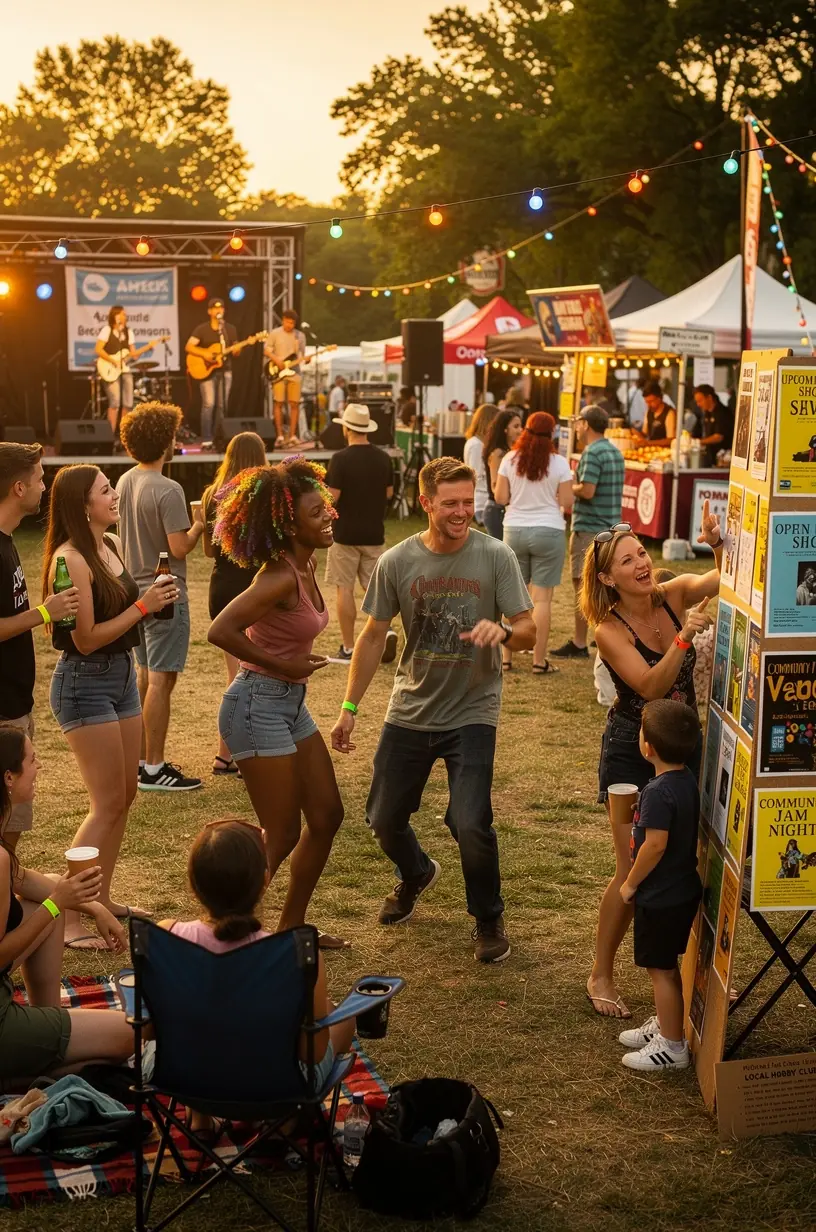
The Impact of Live Music on Community Engagement
Live music events have increasingly become pivotal in fostering community engagement across the United States. This article explores how these gatherings not only entertain but also build social bonds, stimulate local economies, and empower community spirits.
Understanding the Connection Between Music and Community
Research indicates that live music can significantly contribute to community engagement by providing a shared experience that brings people together. According to the National Endowment for the Arts, community-based arts activities, such as local concerts, can enhance social cohesion and foster relationships among residents.
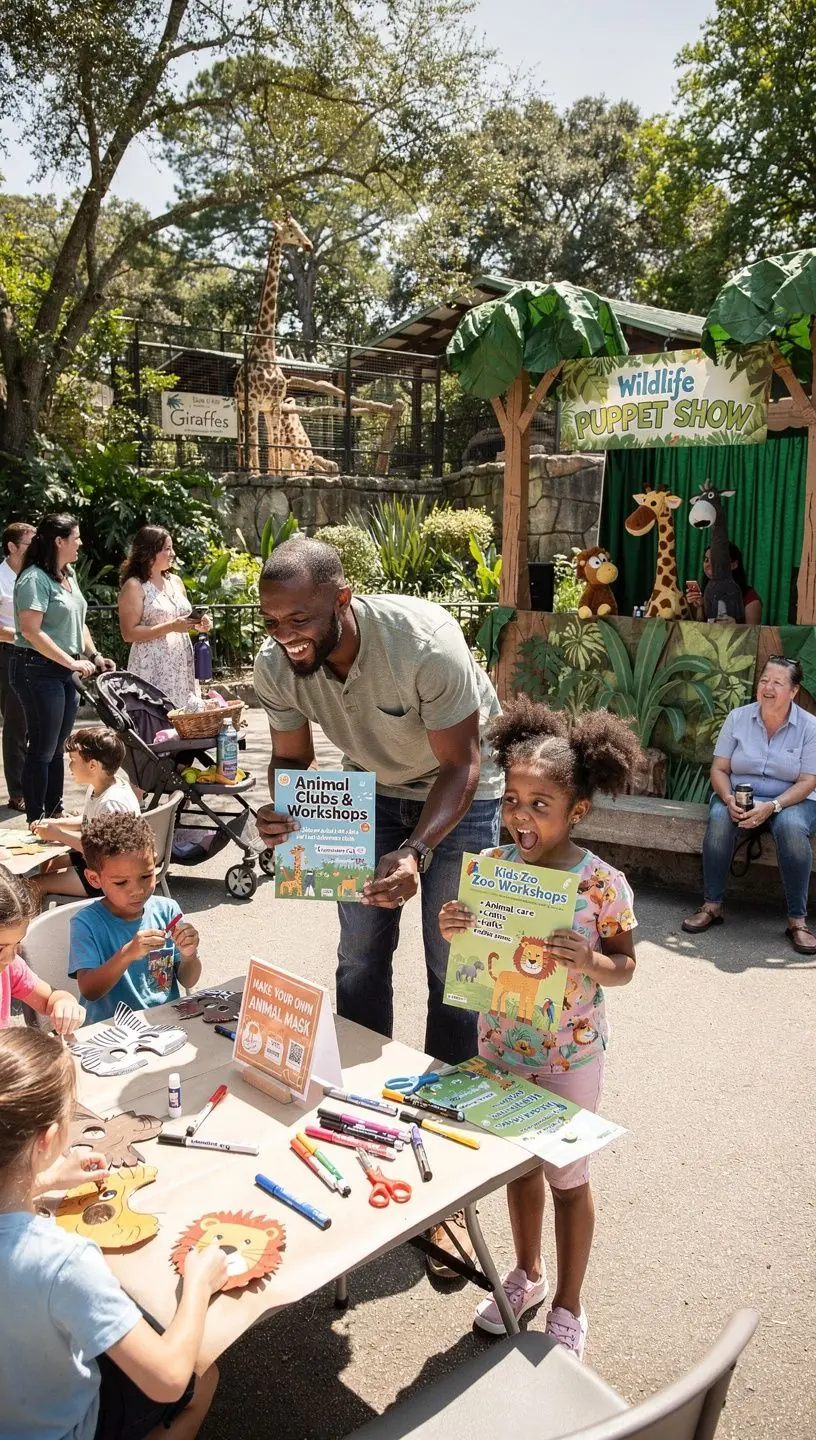
"Community engagement is often rooted in shared experiences; live music provides a unique opportunity to create these moments." - Arts Engagement Expert
Benefits of Live Music Events
Live music events typically offer various benefits, including:
- Social Bonding: Attendees often report feeling more connected to their neighbors and local culture. This engagement is crucial for community resilience.
- Economic Stimulation: Live music can boost local economies. According to Americans for the Arts, every dollar spent on the arts generates about $4 in economic activity, supporting local businesses.
- Encouragement of Local Talent: These events often showcase local musicians, fostering a sense of pride and encouraging the development of homegrown talent.
How Live Music Enhances Community Spirit
The principle behind the engagement seen at live music events is multifaceted:
- Creating Inclusive Spaces: By offering a platform for diverse musical genres and artists, these events can attract a wide audience, ensuring that many community members feel represented.
- Facilitating Dialogue: Live music acts as a conversation starter. People of different backgrounds often connect over shared musical interests, breaking down social barriers.
- Encouraging Volunteerism: Many community events rely on volunteers, fostering a culture of participation that is crucial for sustained community engagement.
Limitations and Considerations
While the benefits are clear, there are limitations to consider:
- Effective community engagement through live music typically requires a well-planned strategy, which can take considerable time and effort to implement.
- Events may not suit every community, particularly smaller towns where resources are limited. In these cases, adapting the scale and type of event to fit local preferences is crucial.
- Community members may have varying levels of interest in music, so it’s important to diversify the types of events to engage a broader audience.
Conclusion
In summary, live music plays an essential role in fostering community engagement in the U.S. It effectively creates shared experiences that enhance social ties, stimulate local economies, and encourage community pride. While organizing such events requires commitment and planning, the potential rewards in terms of community cohesion and spirit make it a worthy endeavor. By embracing live music, communities can cultivate a more vibrant and interconnected environment.
Read More