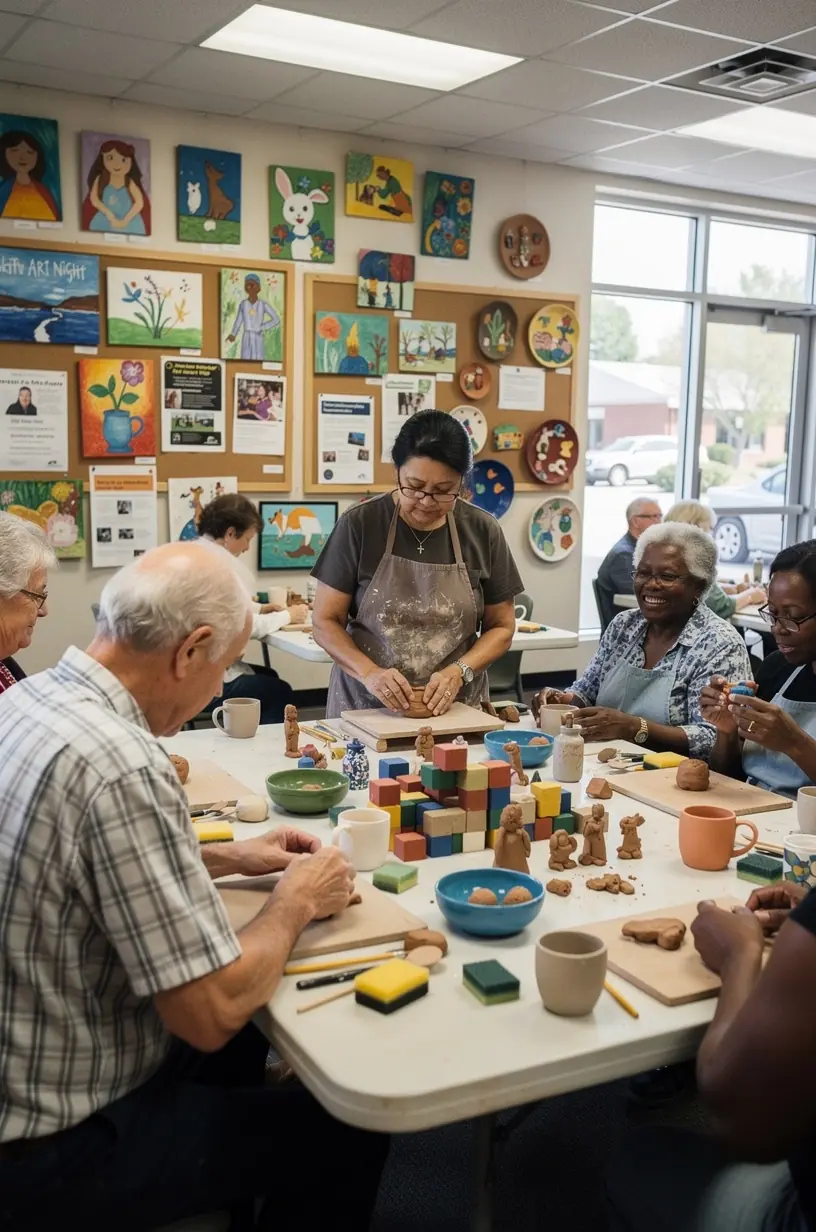
Understanding the Role of Hobby Clubs in Community Building
Hobby clubs serve as vital components of community life, fostering connections through shared interests. This article delves into how these clubs contribute to community building, supported by research and expert insights.
Understanding the Basics of Hobby Clubs
Hobby clubs are typically formed around specific interests, such as gardening, photography, or music. These clubs provide a structured environment where individuals can engage with others who share similar passions. According to studies, participation in these clubs can enhance social ties, thereby strengthening community bonds.

"Hobby clubs can serve as social networks that enhance local community engagement and foster collaboration among members." - Community Development Expert
The Benefits of Hobby Clubs
There are several key benefits that hobby clubs offer to individuals and the community at large:
- Social Interaction: Participation in hobby clubs often facilitates meaningful connections, which can lead to lasting friendships.
- Skill Development: Many clubs provide opportunities for members to learn new skills or improve existing ones, contributing to personal growth.
- Community Engagement: Clubs frequently organize events that involve the wider community, promoting inclusivity and collaboration.
How Hobby Clubs Contribute to Community Building
The role of hobby clubs in community building can be understood through the following mechanisms:
- Creating a Sense of Belonging: Members often report feeling a greater sense of belonging when engaging with others who share their interests. This can help reduce feelings of isolation.
- Encouraging Volunteerism: Many hobby clubs engage in community service projects, which not only benefit the community but also empower members to contribute positively.
- Facilitating Cultural Exchange: Clubs that cater to diverse hobbies can introduce members to different cultures and perspectives, enriching the community fabric.
Challenges and Considerations
While hobby clubs offer numerous benefits, it is important to acknowledge some challenges:
- Time Commitment: Joining a hobby club often requires a commitment of time, which can vary depending on the club's schedule and activities.
- Initial Involvement: For newcomers, the process of integrating into existing clubs may involve a learning curve, as members may need to adjust to group dynamics.
- Resource Availability: Clubs may need resources such as funding, materials, or space to host events, which can be a barrier for some groups.
Conclusion
In conclusion, hobby clubs play a significant role in fostering community spirit and engagement. They not only help individuals develop skills and friendships but also contribute to the overall health of the community. While there are challenges associated with participation, the potential benefits often outweigh the drawbacks. For those looking to enhance their community connection, joining a hobby club can be a meaningful step forward.
Read More