Practical Guide to Organizing Interactive Gatherings
Organizing interactive gatherings can seem daunting, but with the right approach, you can create memorable experiences that foster community engagement. This guide provides practical insights and proven strategies to help you plan successful events tailored to your audience's interests.
Understanding the Basics
Before diving into the logistics of organizing an event, it's essential to understand the core principles that guide effective gathering planning. According to research, interactive gatherings typically focus on engagement and participation, which can enhance the overall experience for attendees. Experts recommend that planners prioritize activities that encourage interaction among participants, as this fosters a sense of community and connection.
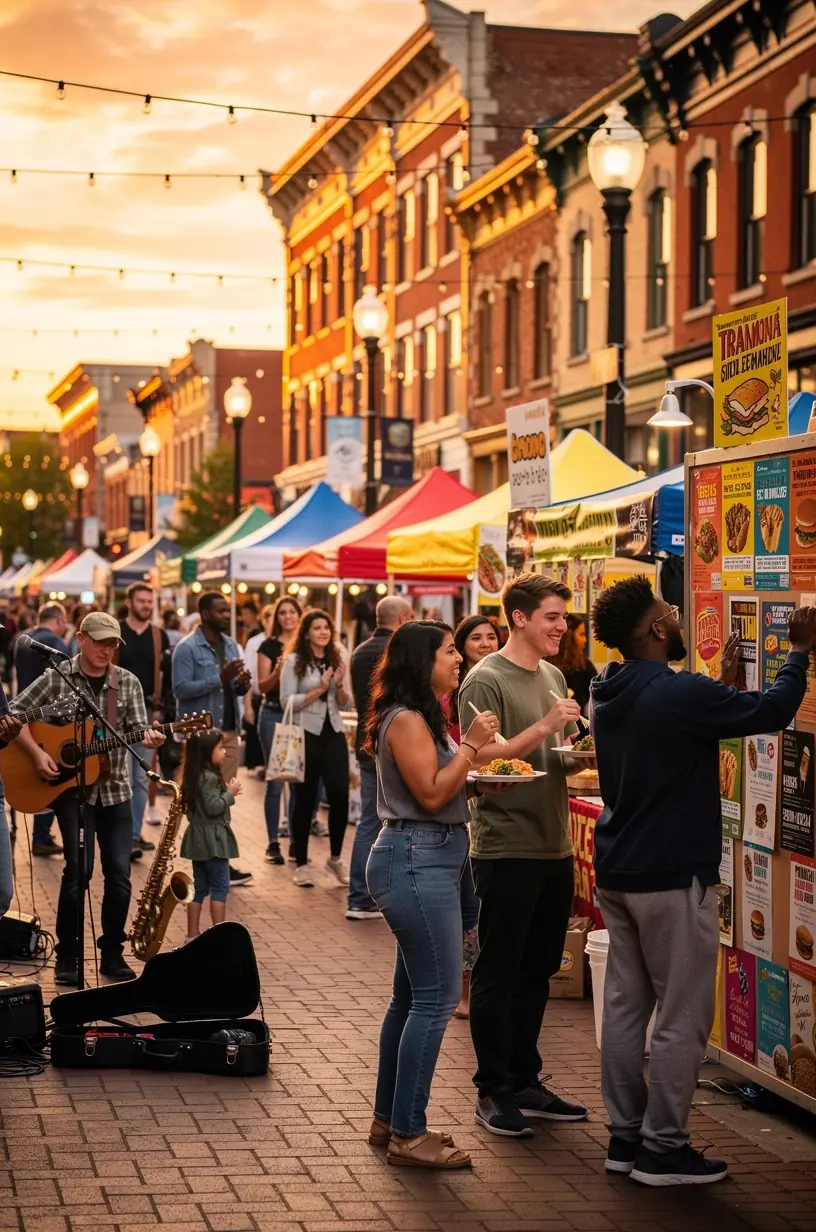
"Engagement is key to any successful gathering; when people feel involved, they're more likely to return." - Community Engagement Expert
Identifying Your Audience
Start by clearly defining your target audience. This process typically involves:
- Demographic analysis: Understanding the age, interests, and backgrounds of your potential attendees can guide your planning.
- Interest surveys: Consider conducting surveys or using social media polls to gauge what activities your audience is most excited about.
- Community input: Engaging with local community members can provide invaluable insights into what types of events they would like to attend.
Planning the Logistics
Once you have identified your audience, the next step is to handle the logistics of your gathering. This typically involves several key elements:
- Choosing the right venue: The venue should align with the size and style of your event. Studies show that accessible locations tend to encourage higher attendance rates.
- Setting a realistic budget: Create a budget that covers all necessary expenses, including venue rental, refreshments, and marketing. It's advisable to set aside a contingency fund for unexpected costs.
- Creating a detailed agenda: A well-structured agenda helps keep the event on track while allowing for flexibility in case of unforeseen changes.
Promoting Your Event
Effective promotion is crucial to ensuring good attendance. Consider the following strategies:
- Utilize social media: Platforms like Facebook, Instagram, and Twitter are excellent for reaching a broad audience. Create event pages and share engaging content to generate excitement.
- Leverage local networks: Partnering with local organizations and businesses can enhance your reach and credibility. Many community-focused events report increased attendance through collaboration.
- Email newsletters: If you have an existing mailing list, use it to inform your audience about upcoming events and share updates.
Executing the Event
On the day of the gathering, having a clear plan in place can help everything run smoothly. Here are some practical tips:
- Arrive early: Arriving before the event starts allows you to set up and troubleshoot any last-minute issues.
- Engage with attendees: Actively participating and mingling with attendees can enhance their experience and provide valuable feedback for future gatherings.
- Gather feedback: After the event, consider collecting feedback through surveys or informal discussions to learn what worked well and what could be improved.
Conclusion
Organizing interactive gatherings requires thoughtful planning and attention to detail. By understanding your audience, managing logistics effectively, and promoting your event wisely, you can create engaging experiences that foster community connections. Remember, while challenges may arise, the insights gained from each event can significantly improve your future gatherings.
Read More